
Commercial mortgage advice

Property finance that works for the business.

Longer-term finance for owner-occupied premises, commercial investments and mixed-use property, with the business, income and security considered together.

Owner-occupied & investmentPurchase & refinance
Commercial propertyLonger-term secured finance
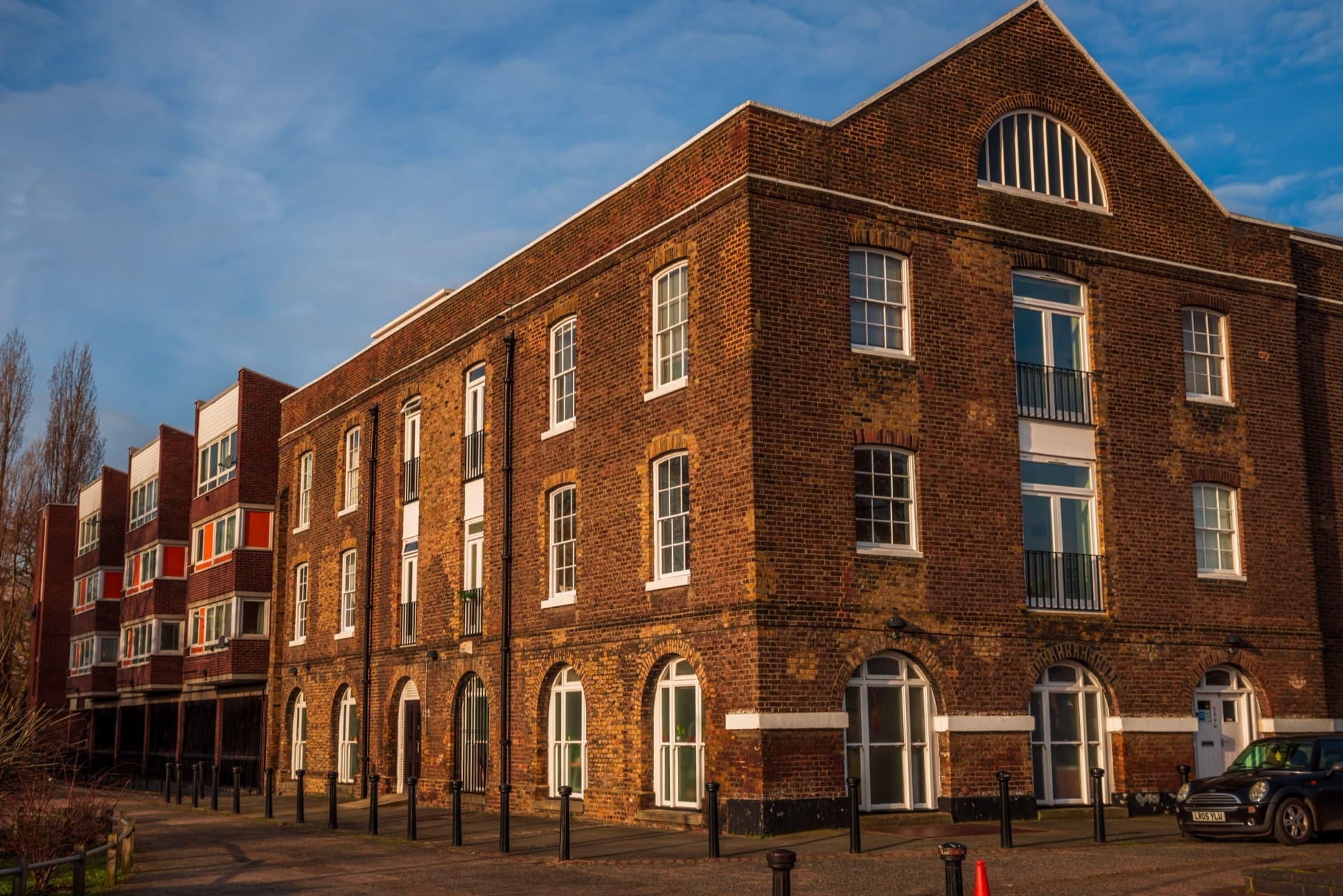
Brick commercial buildings beside a waterfront
Owner occupiedInvestmentMixed use
Two lending storiesBusiness affordability or property income

Start with who uses the property

Three routes through commercial property finance

The same building can be assessed differently depending on who occupies it and where repayment income comes from. That first distinction guides the lender search.

01

Trade from it

Owner-occupied premises

Purchase or refinance the property your own business uses, including offices, retail units, warehouses and specialist premises.

The lender focuses on the business’s ability to support the mortgage.Read the use-case guide

02

Let it

Commercial investment

Finance an income-producing commercial property occupied by one or more business tenants.

Lease quality, tenant strength, rent and property demand all matter.Read the use-case guide
03

Blend the uses

Semi-commercial & mixed-use

Explore specialist finance for buildings combining commercial and residential space, such as a shop with flats above.

The floor space, tenancy and income split shape lender appetite.Read the use-case guide
Converted brick commercial and mixed-use property
Property in practice

One address can have more than one lending story.

With mixed-use and semi-commercial property, the occupation, income and floor-space split all help determine the appropriate finance route.

Read the British Business Bank guide to commercial property finance

The lender’s starting point

What supports the mortgage payment?

Commercial underwriting is not one calculation. The evidence changes according to whether the property supports your own operation or produces rent from another business.

Owner occupied

The business supports the mortgage

  • Historic and current business performance
  • Affordability after existing commitments
  • Management experience and business plan
  • Property suitability for the business
Commercial investment

The property income supports the mortgage

  • Passing rent and market rent
  • Lease term, breaks and tenant covenant
  • Debt-service or interest coverage
  • Property quality, use and reletting demand

Deposit, leverage & affordability

The property value sets a limit. Income proves the case.

Commercial lenders apply their own loan-to-value and affordability rules. A stronger deposit can help, but it does not replace sustainable trading or rental income.

Property purchase or value100%
Deposit / equityCommercial mortgage
The split is illustrative. Actual leverage depends on the complete case.

Deposit or equity

The contribution, existing property value and total secured borrowing.

Trading or rental income

Sustainable business cash flow or investment income supporting repayments.

Property & valuation

Use, condition, location, marketability, tenure and valuation methodology.

Borrower structure

Trading entity, property company, directors, ownership and guarantees.

Budget beyond the interest rateCommercial transactions can require specialist valuation, legal and due-diligence work.
  • Lender arrangement or facility fee
  • Commercial property valuation
  • Legal work for borrower and lender
  • Broker or advice fee
  • Survey, environmental or specialist reports
  • Property tax and business costs where applicable

How the balance is repaid

Capital repayment or interest-only?

Availability depends on the lender and case. The payment profile, total interest and capital due should fit the property and business strategy, not only today’s cash flow.

Key considerationCapital repaymentInterest-only
Monthly paymentPays interest and reduces capitalNormally covers interest only
Balance at the endDesigned to reduce through the termCapital remains due
What must be assessed?Ongoing payment affordabilityAffordability plus credible repayment strategy
When might it fit?Long-term ownership and debt reductionEligible investment or cash-flow strategies
Illustration of a commercial finance assessment

Prepare the lending story

Current figures make a clearer application

Requirements vary, but these are common starting points for a commercial lender assessment.

  • Recent filed accounts and current management figures
  • Business bank statements and existing commitments
  • Property details, purchase terms or current mortgage statement
  • Business plan and forecasts where relevant
  • Lease, tenancy schedule and rental information for investments
  • Company structure, ownership and director details

Most commercial mortgages are not FCA regulated.The actual status depends on the borrower, security and use. Unregulated lending may not provide Financial Ombudsman Service or Financial Services Compensation Scheme protection.

Commercial mortgage FAQs

Practical answers before lender research

These answers are general. Commercial property, business and lease details can materially change the available options.

Ask a commercial finance question

A commercial mortgage is longer-term borrowing secured against property used for business or commercial investment purposes. It can fund a purchase, replace existing finance or, where appropriate, release equity. The lender assesses both the property and the income expected to support repayments.

Your property may be repossessed if you do not keep up repayments on a mortgage or other debt secured on it.

Commercial mortgages and business lending are usually not regulated by the Financial Conduct Authority. Consider independent legal, tax and accountancy advice where appropriate.

Put the property to work

Let's structure the commercial mortgage.

Tell us about the property, business or tenancy and the finance you need. We will explain the credible next step, without obligation.

Start my commercial enquiry Call 029 2167 0060