The short answer
How can a business finance its own premises?
Buying business premises usually means using an owner-occupied commercial mortgage: finance secured on a property that your own business will trade from. A lender considers both the property and the business's ability to support repayments, while the buyer should compare the full cost and flexibility of owning with continuing to lease.1
The borrower might be the trading business, a separate property-owning company, an individual or another structure. That choice can affect lender requirements, security, guarantees, tax and regulatory status, so it should be agreed with the lender and the buyer's legal and tax advisers rather than copied from a generic example.24
A commercial bridge may sometimes fund a time-sensitive purchase or a property that is not yet ready for longer-term lending, but it is short-term finance. The costs, term and credible route to repay it must be established before completion.1
Step 1 · Define the premises strategy
Compare ownership with leasing on like-for-like terms
Start with the location, space, use and period the business genuinely needs. Then compare the complete cost and flexibility of occupying the same type of property through ownership and leasing.
Will the building still work as the business changes?
Location, access, layout, capacity, permissions and the expected occupation period.
What cash remains available after completion?
Contribution, tax, fees, fit-out and repairs should not consume essential working capital.
Which matters more over the chosen timeframe?
Ownership can provide control; leasing can preserve mobility and reduce the initial cash commitment.
Compare both routes over the same realistic occupation period.
Step 2 · Test the repayment source
Show what the business can support after real commitments
Commercial affordability is not a single turnover multiple. Historic performance, the current position and supportable forecasts need to tell a consistent story after normal trading and property costs.
Payroll · tax · suppliers · existing finance · working capital
Mortgage · rates · insurance · maintenance · utilities
Step 3 · Pressure-test the decision
When buying business premises may be worth exploring
The operating decision comes first. Buying should support the business without using the cash resilience it needs to trade.
- The business expects to use the premises for the medium or long term.
- Sustainable cash flow can support the proposed payments and ongoing property costs.
- There is enough cash for the contribution, transaction costs, works and a working-capital reserve.
- The building is suitable for the intended trade and provides acceptable lender security.
Step 4 · Prepare the lending file
Evidence to gather before submission
- Recent filed accounts and current management figures
- Business bank statements and details of existing commitments
- Realistic forecasts and a business plan where relevant
- Property particulars, purchase terms and intended use
- Ownership structure, director or partner details and source of contribution
- Existing lease or mortgage information where applicable
Step 5 · Coordinate finance and property work
From operating brief to completion
- 01
Define the property need
Set the intended use, location, likely occupation period and full cash budget, including works and contingency.
- 02
Build the lending picture
Prepare accounts, current figures, commitments, forecasts and a clear explanation of how the premises support the business.
- 03
Compare structures
Review suitable longer-term finance and leasing, including payment basis, fees, flexibility, guarantees and total occupancy cost.
- 04
Complete due diligence
The lender underwrites the case while the valuation, legal work, surveys and any specialist property checks progress.
Step 6 · Complete the due diligence
The valuation is not a survey or business plan
Lender underwriting, the commercial valuation, legal work, building condition and your operating decision answer different questions. Keep the workstreams connected without treating one as a substitute for another.
Business performance
Trading history, current management figures, sector risks, experience and realistic forecasts help show whether the debt is supportable.
Affordability
The proposed payments sit alongside payroll, tax, working capital, existing borrowing and the other costs of occupying the property.
Property security
Use, condition, location, tenure, valuation and marketability affect whether the premises are acceptable to the lender.
Borrower structure
The property owner, borrowing entity, contribution, other security and requested guarantees all form part of the assessment.
Illustrative scenario
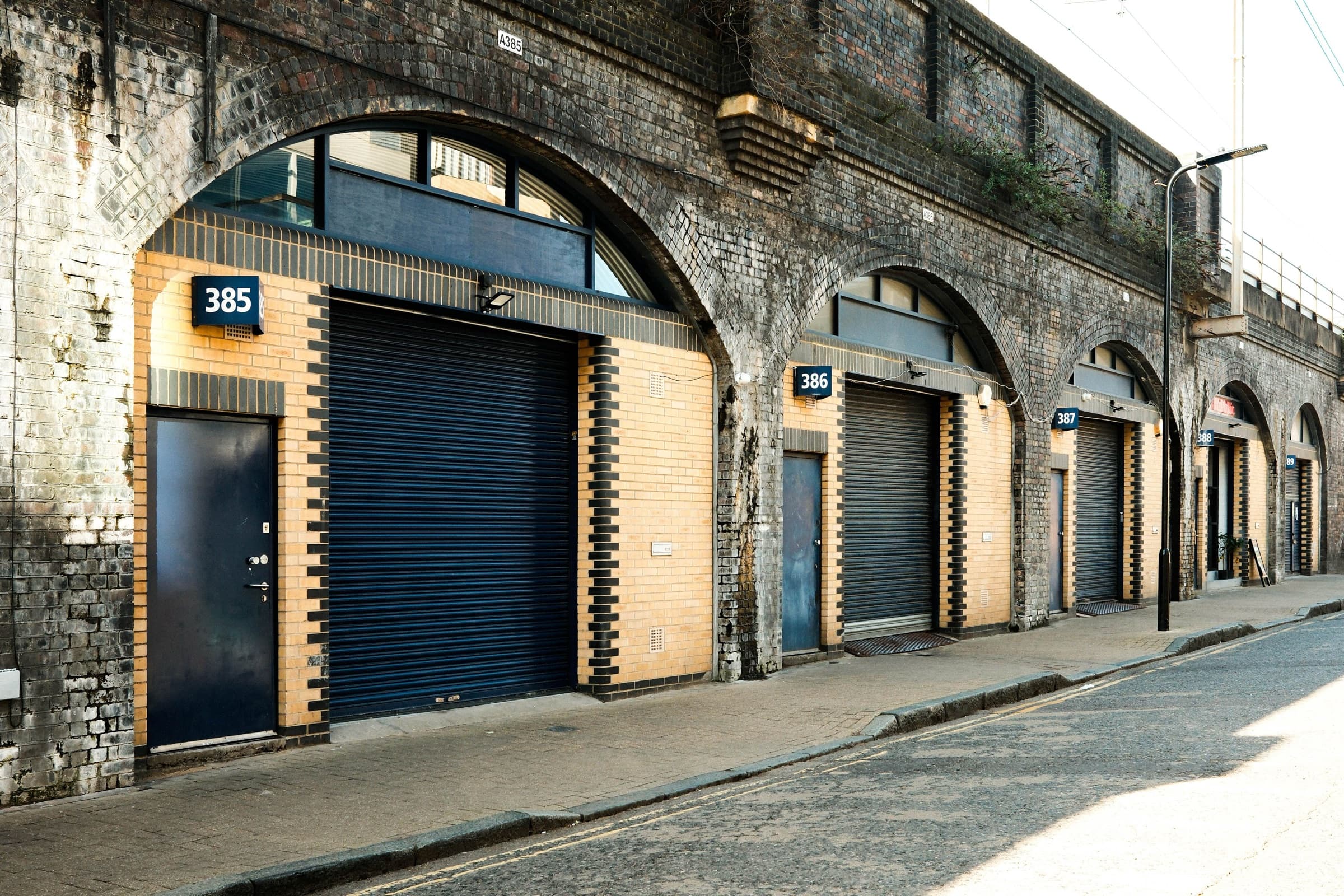
A trading business has outgrown its leased warehouse
The directors compare a larger leased unit with buying premises they expect to use for many years. The commercial mortgage is assessed from the business and property together, not assumed from the purchase price.
- 1Current accounts, management figures, commitments and forecasts show the trading position.
- 2A commercial valuation tests the property as lender security.
- 3The cash plan keeps fees, tax, fit-out and a working-capital reserve separate from the contribution.
- 4The accountant and solicitor review the purchasing entity, security and guarantees before commitment.
Alternatives
Other routes to compare
Continue leasing
A suitable lease can preserve cash and flexibility, although rent reviews, break rights, alterations and dilapidations need legal review.
Use short-term finance
Bridging may suit a genuine short-term gap or defined works programme only where there is a credible, costed exit.
Keep property and business funding separate
Equipment, fit-out or working-capital finance may be more appropriate than placing every business need into long-term property debt.
FAQs
Buy business premises questions
It is borrowing secured on premises used by the borrower's own business. The lender assesses the trading business's capacity to support payments as well as the property and borrowing structure.
Sources
Sources used for this guide
- 1How to finance a commercial property purchase
British Business Bank · Owner-occupied and commercial investment distinctions, common finance routes, evidence and the benefits and drawbacks of owning premises.
- 2PERG 4: Guidance on regulated activities connected with mortgages
Financial Conduct Authority · The regulated-mortgage definition, company-borrower treatment and the distinction between wholly commercial and mixed-use security.
- 3Business rates overview
GOV.UK · Business rates, rateable value and UK-area caveats.
- 4VAT Notice 742: Land and property
HM Revenue & Customs · Commercial-property VAT caveats, including new commercial buildings and the option-to-tax concept.
- 5Stamp Duty Land Tax overview
GOV.UK · That SDLT treatment depends on the transaction and applies in England and Northern Ireland, with different taxes in Scotland and Wales.
Reviewed by Charles Frank Finance Limited on 1 August 2026. Lender criteria can change independently of this guide.